Korea Family Trip Culture Guide for First Time Visitors

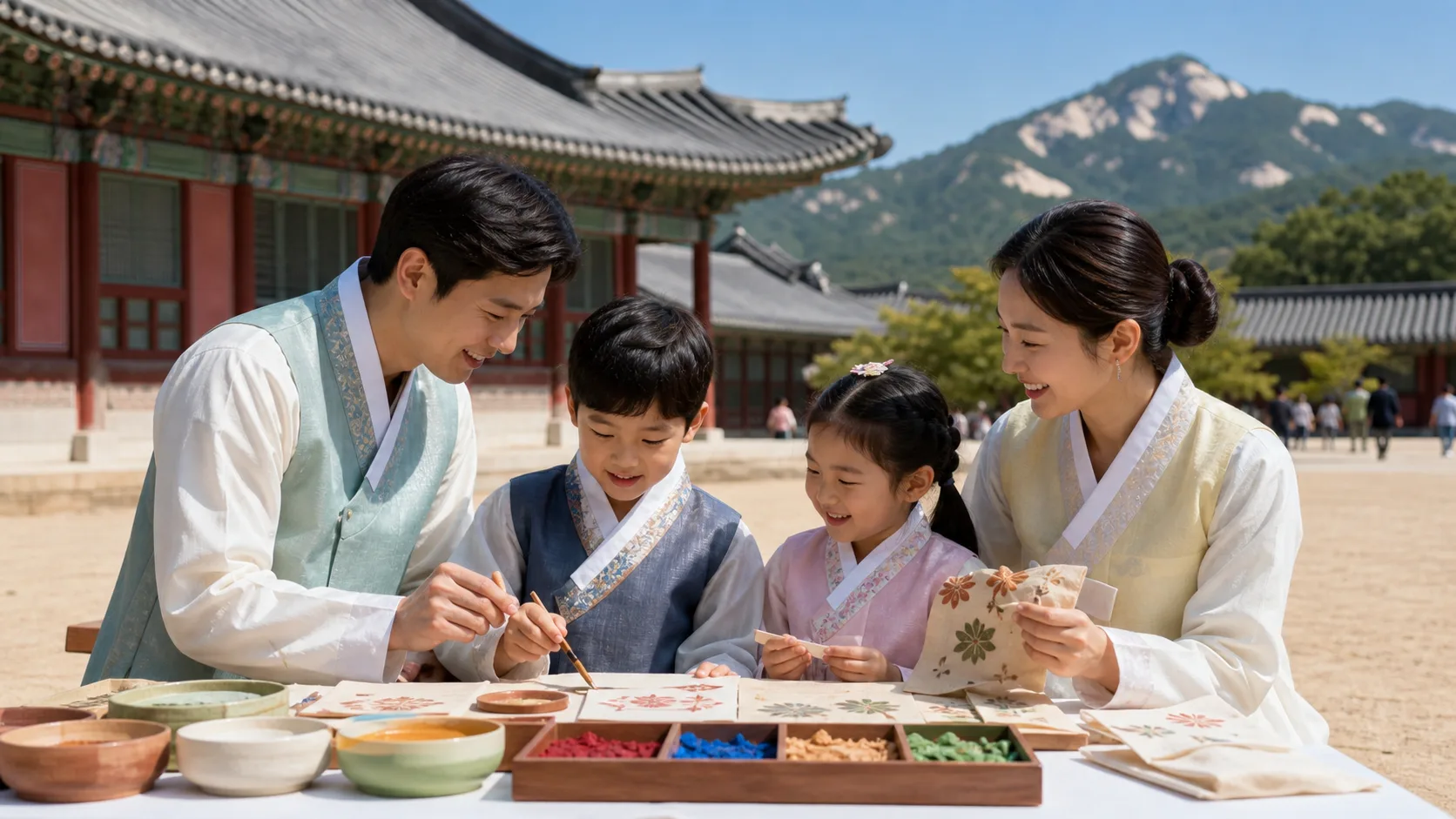
If you are planning a first family trip to Korea, the cultural side is easier to enjoy than many travelers expect. Korea is compact, highly transit-friendly, and packed with places where children can move, learn, and stay interested without needing a long attention span. The key is to treat culture as a sequence of short, well-chosen experiences rather than one big museum day. Start with one palace, one neighborhood walk, one hands-on activity, and one food stop. That gives you enough variety for kids, enough structure for adults, and enough breathing room for jet lag, weather, and transit delays.
For a Singapore-based traveler, Korea usually works best when you plan around public transport, indoor backup options, and short booking windows for the experiences that matter most. The strongest family trip combines history, food, and everyday etiquette so children do not just "see" Korea but understand how people move, queue, eat, and greet each other. That is where the trip becomes memorable.
1. Fast Answer
The best way to do Korea as a family on a first visit is to keep the culture plan short, local, and layered: one royal site, one hanok or village stop, one museum or hands-on activity, and one easy food neighborhood per day. Do not try to "do" all of Seoul in one sweep. Korea rewards families who move slowly, use the subway, book the one or two paid experiences that need reservations, and leave room for snacks, naps, and weather changes.
Start with a palace, add a child-friendly museum or folk village, use the subway instead of private transport for most days, and book only the experiences that need advance tickets. Keep each cultural stop to 60-120 minutes and choose indoor backups in case the weather changes.
Why this matters right now is simple. First-time visitors often overpack Korea with shopping, cafes, and famous sights, then run out of energy before they reach the cultural experiences that actually explain the country. Families do better when the trip is designed around rhythm: one morning outdoors, one indoor block, an early dinner, and an easy evening. That rhythm works especially well if you are flying in from Singapore, because the time difference is small, but the heat, cold, humidity, or rain can still shape the day.
For most families, Seoul should be the base. It gives you the best mix of palaces, museums, street food, subway access, and day-trip options. If you have more than five or six days, add one slower cultural area such as Jeonju, Gyeongju, or a hanok-stay neighborhood rather than trying to cover the whole country. The goal is not speed. The goal is to help everyone understand what makes Korea feel distinct.
2. Context You Need
Korean culture is easiest to understand through everyday patterns: how people greet, wait, eat, dress, and show respect in shared spaces. For families, that matters more than memorizing historical dates. Children usually remember the shape of the experience, not the lecture. They remember taking off shoes, bowing politely, wearing hanbok, watching a guard change, making rice cakes, or walking through a palace courtyard. Those are the moments that make the trip feel "Korea" rather than just "another city break."
Historically, many of the cultural sites first-time visitors see in Seoul are tied to the Joseon dynasty, which shaped the city’s royal architecture, Confucian etiquette, and court traditions. That is why palace visits, folk villages, and traditional houses still matter. They show the structure beneath the modern skyline. Korea also has a strong museum culture, and many institutions are designed to be accessible to casual visitors rather than only specialists. That helps families because you do not need a deep academic background to get value from a visit.
For first-timers, the main cultural categories are:
- Royal Korea: palaces, changing-of-the-guard ceremonies, and palace museums
- Living heritage: hanok neighborhoods, traditional tea houses, craft workshops, and market food
- Modern everyday Korea: subway etiquette, convenience stores, family restaurants, and cafe culture
- Performance and activity: cooking classes, K-pop or craft workshops, and seasonal festivals
This mix matters because a child-friendly trip is not only about sightseeing. It is about giving kids enough sensory variety that they stay engaged. A palace may be visually beautiful but feel abstract to a child. Add a stamp activity, a snack stop, a quick costume rental, or a short hands-on workshop and suddenly the same site becomes memorable.
The other thing first-time visitors need to know is that Korea’s cultural spaces are often clean, orderly, and efficient, but they are not always designed around long lingering. Many visitors move through sites quickly, then spend more time in nearby cafes, gift shops, or food streets. That is normal. Build your day with that pattern in mind. If your itinerary allows one major cultural stop and one easy wandering stop, you will usually get better results than if you force a marathon museum day.
3. Step-by-Step Guide
The easiest way to plan a family culture trip is to think in layers. Start with transport, then choose anchor sites, then fill in food and rest stops. If you do it in the opposite order, you end up with a beautiful list that is hard to execute with children.
Step 1: Choose one base area
For a first trip, Seoul is the most practical base because it gives you:
- The biggest concentration of family-friendly cultural sites
- Easy subway access
- More restaurant choice for picky eaters
- Better rain, heat, and cold backup options
- Simple day trips if you want more variety
If you have only a short trip, stay near a major subway interchange or a neighborhood with direct access to the sites you want. Avoid choosing a hotel only because it looks stylish online. For families, location beats aesthetics.
Step 2: Pick one royal site and one living-heritage site
Do not schedule four palaces in a row. One palace is enough for a first family trip unless your group is unusually interested in history. Pair it with a different type of cultural space so the day has contrast.
Good combinations:
- Gyeongbokgung plus a nearby museum
- Changdeokgung plus Bukchon or a hanok area
- Deoksugung plus a downtown walk and snack stop
- A folk village plus a hands-on craft workshop
The trick is variety. A palace gives scale and ceremony. A hanok walk gives texture and street life. A market gives smell, noise, and food. A museum gives context. Together they create the full picture.
Step 3: Time the day around kids, not Instagram
Families should usually start early, because Korea’s cultural sites are best before the day gets crowded and hot. Morning is better for:
- Outdoor walking
- Photos without harsh glare
- Better focus from children
- Easier seating and bathroom breaks
Then use the afternoon for indoor or flexible activities. If you plan a museum after lunch, keep the museum close to your morning site so you are not spending the middle of the day in transit.
Step 4: Add one participatory activity
This is the piece many first-time visitors miss. Children learn more when they do something with their hands or their senses. A family trip becomes stronger when you book one of these:
- Hanbok rental and palace walk
- Korean cooking class
- Kimchi or rice-cake workshop
- Traditional paper, knot, or stamp craft
- Family-friendly museum activity corner
- Short performance or cultural show
One paid activity is usually enough. More than that, and the day starts to feel like a school program.
Step 5: Build the food plan intentionally
Food is part of the culture lesson, but with kids you need a practical filter. Choose places where the menu is readable, the wait is manageable, and the seating is not awkward. A good family meal in Korea often looks like:
- One shared soup or stew
- One rice dish
- One grilled meat or noodle option
- Side dishes that can be tried or ignored
- A nearby convenience store or bakery for backup snacks
If your family is new to Korean food, use lunch to introduce flavors and dinner to relax. Daytime meals can be more adventurous. Evening meals should be more predictable because everyone is tired.
Step 6: Keep a backup indoor option
Weather is one of the biggest variables in Korea. Summer can be hot and humid, winter can be very cold, and shoulder seasons can bring sudden rain or wind. Your plan should always have a fallback within the same area:
- Palace day backup: museum, cafe, or department store observation floor
- Village day backup: craft center, tea house, or indoor market
- Walk day backup: aquarium, history museum, or library
That way the day does not collapse if the weather changes or a child gets tired.
Step 7: Use a simple family sequencing rule
A reliable sequence for most days is:
- Breakfast near the hotel
- One major cultural stop
- Snack or cafe break
- One shorter nearby stop
- Early lunch
- Quiet time, transit, or indoor activity
- Easy dinner
That sequence is boring on paper and excellent in real life. It reduces decision fatigue and makes the day feel smooth.
Quick planning checklist
| Decision | Best choice for first-time families | Why |
|---|---|---|
| Base city | Seoul | Best transport, sights, and backup options |
| Daily pace | 2 major stops max | Keeps kids engaged |
| Ticket strategy | Book only the limited or timed items | Reduces overplanning |
| Transport | Subway first, taxi second | Fast and predictable |
| Meals | Mix familiar and local dishes | Helps avoid food fatigue |
| Activity mix | One cultural site + one hands-on item | Better memory and better pacing |
If you want a concrete example, imagine a day that starts at a palace, continues with hanbok rental, moves to a nearby traditional street or village, and ends with an early dinner near the hotel. That is already a strong culture day. You do not need to squeeze in three more destinations to make it worthwhile.
4. Costs, Hours, and Logistics
Prices and opening hours in Korea can change by season, holiday, and site policy, so the safest strategy is to check official notices close to departure. That said, families can still budget sensibly by using ranges rather than exact guesses.
In practice, most cultural sites fit into one of these buckets:
- Palaces and museums: generally low-cost or modest admission
- Hanbok rental: usually a separate paid expense, often by the hour
- Workshops and classes: moderate cost, especially for private or small-group sessions
- Day trips with transfers or guided components: the highest cost category
For a family trip, the big expenses are usually not entry tickets. They are:
- Time-saving transport choices
- Hotel location
- Selected paid experiences
- Food around the tourist areas
- Occasional taxis when children are tired
That is actually good news. Korea can be much more budget-friendly than travelers expect if you use the subway and keep your paid activities focused.
Typical logistics to know
- Many major sites are easiest to visit in the morning.
- Some palaces or museums close on certain weekdays or national holidays.
- Seasonal night openings, special performances, and guided tours may require separate tickets.
- Hanbok rental shops cluster around palace districts, which makes same-day rentals easy in popular areas.
- Some cultural sites are large enough that strollers are useful, but stairs and uneven paving still matter.
Payment and bookings
Most city travel in Korea is cash-light, but it is still smart to carry a card and a little cash. Cards are widely accepted in hotels, shops, and larger venues. Smaller snack stalls, craft workshops, and older businesses may still prefer card or exact cash depending on the setup. For families, the cleanest approach is:
- Book timed or limited activities in advance
- Pay on card whenever possible
- Keep a small cash buffer for snacks, lockers, or transport edge cases
Transport basics
The subway is the backbone of a first-time family trip in Seoul. It is usually faster than trying to build the whole day around taxis, and children often enjoy the ride if they are not exhausted. Still, taxis are useful for:
- Late evenings
- Rainy days
- Short hops between sites
- When you need to protect a child’s energy
If you are arriving from Singapore, remember that Korea’s seasons can feel sharper than what many families are used to. Summer heat and humidity can be intense. Winter can be dry and cold enough to change your pace completely. Spring and autumn are often the sweet spot, but they are also popular and can be busier.
A practical family budget frame
You do not need a luxury budget to do Korea well. A sensible first-trip family budget usually has room for:
- Hotel near transit
- Airport transfer or train
- Two or three major paid cultural experiences
- Daily snacks and cafe stops
- One or two more convenient taxi rides
If you try to make the whole trip cheap, you may end up spending more energy than money. The better goal is value: spend where it improves the day, save where the subway or a simple meal already works.
5. Variations and Edge Cases
The best culture plan changes depending on season, age mix, and how much the family likes structured activities. First-time visitors often assume there is one "correct" Korea itinerary, but there are really several good ones.
If you are traveling with young children
Young children need shorter blocks, more rest, and more obvious rewards. For them, a palace visit works best when paired with:
- Hanbok dressing
- A simple stamp or scavenger element
- A snack stop soon after
- A nearby playground, park, or indoor play space
Do not force a long historical explanation. Keep the story short: kings lived here, people wore special clothes, guards protected the gate, and the buildings were rebuilt after difficult times. That is enough.
If your children are older
Older children and teenagers can handle more context. You can add:
- More detailed palace history
- Comparison between traditional and modern housing
- A market food challenge
- A K-culture workshop
- A photography walk through hanok streets
This age group usually enjoys having a mission. Give them one: find three roof styles, compare two neighborhoods, or choose the best snack in a market lane.
If you are traveling in summer
Summer trips should prioritize shade, indoor breaks, and later starts when needed. Palace grounds can still be beautiful, but you should expect heat and humidity. Focus on:
- Early morning outdoor time
- Air-conditioned museums afterward
- More water stops than usual
- Flexible transit and quick returns to the hotel
Summer is also the season when many families overcommit to walking. Resist that. Korea is easy to move around, but it is still a real city with real weather.
If you are traveling in winter
Winter is often excellent for culture-heavy trips because indoor spaces feel more attractive and outdoor sites can be quieter. The tradeoff is comfort. Children need:
- Warm layers
- Gloves and hats
- Shorter outdoor sections
- A warming cafe or noodle stop built into the day
Winter is also a good season for markets, museums, and indoor hands-on activities because you can get a strong cultural experience without spending hours outdoors.
If your family is food-sensitive
Korean food is more flexible than many first-timers assume, but spice and texture can still be an issue. Use a layered strategy:
- Start with mild dishes
- Ask for non-spicy options when possible
- Keep rice, noodles, soup, and grilled items in rotation
- Use convenience stores as a harmless backup
Do not wait until everyone is tired and hungry to figure out dinner. That is how culture trips turn into negotiation sessions.
If grandparents are traveling too
Multi-generation trips need the simplest possible routing. Keep the day linear, avoid too many stair-heavy stops, and use taxis when they improve comfort. Favor:
- One main site per half-day
- Nearby meals
- Seat breaks
- Short walks with meaningful payoff
In multi-generation travel, the best itinerary is often the one that seems a little less ambitious than you first imagined.
If you want more than Seoul
If the family has enough time, consider adding one slower region rather than more city activity. A second city or heritage destination can give the trip a different tone:
- Jeonju for hanok atmosphere and food
- Gyeongju for deeper historical texture
- Busan for a mix of coastline, markets, and a lighter pace
That works best after Seoul, not before it. Seoul is where you learn the system. The second stop is where you relax into it.
6. Mistakes to Avoid
The most common mistake is treating Korea like a checklist rather than a family journey. The trip becomes better when you leave white space in the day. Other mistakes to avoid:
- Planning too many cultural sites in one day
- Ignoring transit time between neighborhoods
- Booking only outdoor activities without weather backup
- Assuming all children will enjoy a long museum visit
- Skipping snacks and then making decisions while everyone is tired
- Overpaying for convenience in places where the subway would be easier
Another common error is using the "famous sight" logic without thinking about flow. A palace, market, and mountain viewpoint can all be excellent, but they may not work well in the same afternoon if one child is hungry and another is jet-lagged. Sequence matters more than quantity.
Finally, do not assume that culture means formal, quiet, and serious all day. In Korea, a great family culture day can include a palace, a convenience store drink, a cafe break, a playful costume rental, and an early dinner. That is still cultural. It is just lived culture rather than museum-only culture.
7. FAQ
Is Korea a good first international trip for families from Singapore?
Yes. The flight is manageable, transit is excellent, and the city infrastructure is friendly to self-guided travel. If you plan around subway access and keep the day pace reasonable, Korea is one of the easier first family trips in East Asia.
How many cultural sites should we visit in one day?
For most families, two is enough. One can be the main attraction and the other can be a lighter nearby stop. If you add a hands-on activity, that often counts as the second or third "piece" of the day already.
Do we need to book palace visits in advance?
Usually not for a standard visit, but special programs, guided experiences, night openings, or bundled activities may need advance booking. Check the official site close to your travel date because policies can change by season and event.
Is hanbok rental worth it for a family?
Often yes, if your children like dressing up and you plan to visit a palace or hanok area. It can make the day more memorable and more photogenic. If your children hate costume changes or get hot easily, skip it and spend the time elsewhere.
What is the best way to explain Korean culture to kids?
Use short stories and concrete observations. Tell them that palaces were homes and workplaces, that shoes come off in some indoor spaces, that respect matters in greetings, and that food is shared in a different style than at home. Keep it simple and let the environment do the teaching.
Are museums boring for children in Korea?
Not necessarily. The better museums have large objects, interactive rooms, visual storytelling, and enough space to move. If your family uses a museum as a short, focused stop rather than a marathon, children usually do fine.
Can we do Korea without a private driver?
Yes, especially in Seoul. The subway and taxis cover most family needs. A private driver is only worth considering if you have mobility concerns, a very tight schedule, or multiple day trips outside the city.
What should we do if the weather turns bad?
Switch to an indoor museum, mall, cafe district, aquarium, or workshop in the same neighborhood. The best family trips have a rain plan before the rain starts.
8. Next Steps
The best next move after reading this guide is to lock your base city, decide whether your first culture day is palace-led or museum-led, and reserve only the experiences that have limited capacity. After that, build the rest of the trip around subway-friendly neighborhoods and one or two flexible backup options. If you do that well, the trip will feel calm instead of crowded, and the culture will have room to land.
Related: korea-family-trip-weather-and-clothing-guide
Related: korea-family-trip-first-day-setup-guide
Related: korea-family-trip-itinerary-for-singapore-travelers