Japan Theme Park Tickets Guide: Disney, USJ and the Best Passes

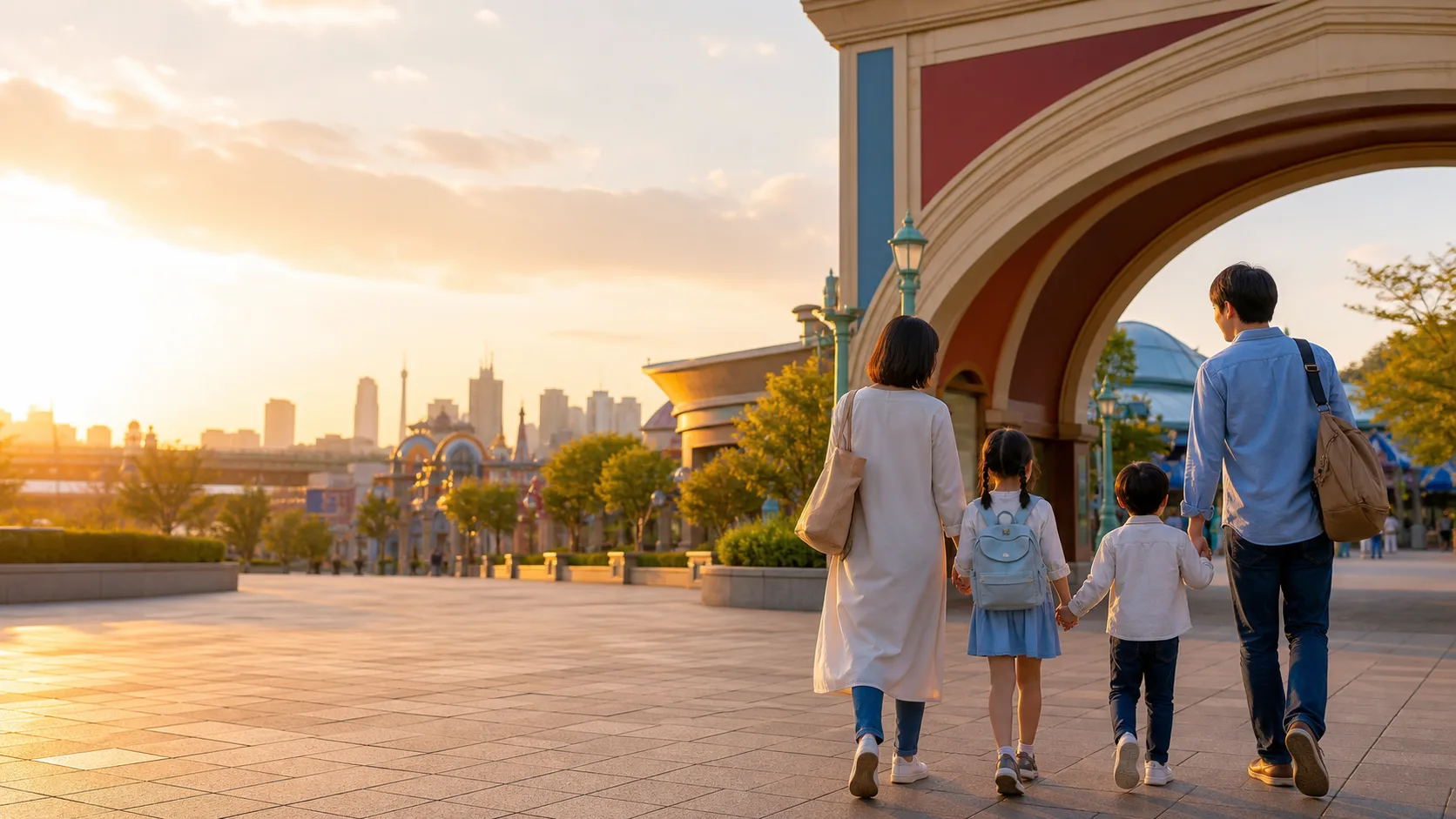
Singapore travelers planning Tokyo Disney Resort or Universal Studios Japan often make the same expensive mistake: they buy the right admission ticket but the wrong day plan. Both resorts use date-sensitive products, and the useful add-ons are not interchangeable. A Tokyo Disney day is usually won by choosing the right park, arriving with a realistic ride list, and using the official app. A Universal Studios Japan (USJ) day is usually won or lost before you reach Osaka because Super Nintendo World access and Express Pass time slots can shape the entire day.
If your Japan trip is four to seven nights, choose one flagship park rather than trying to “cover Disney and Universal.” Tokyo Disney Resort fits a Tokyo-focused itinerary; USJ fits naturally into Osaka, Kyoto, or a wider Kansai trip. Book the base admission first, then decide whether the premium queue product solves a problem you actually have. This guide explains what each ticket does, when a pass is worth paying for, and how to avoid buying an add-on that does not include park entry.
The quick answer: which Japan theme-park ticket should you buy?
For most first-time visitors, buy a dated one-day admission ticket directly from the official resort first. At Tokyo Disney Resort, that is a 1-Day Passport for either Tokyo Disneyland or Tokyo DisneySea. At USJ, it is a 1-Day Studio Pass. Only add a queue-skipping product if your visit falls on a busy date, you have a short trip with no backup day, or a specific attraction is non-negotiable. Universal Express Pass is an extra on top of a Studio Pass; it is not your ticket through the front gate. Disney’s paid ride-access options are selected in the official app and are not a substitute for a Park ticket.
The best value is not automatically the cheapest ticket. It is the product that protects the part of the trip you cannot easily repeat: a child’s first Disney visit, Super Nintendo World for a Mario fan, or a one-day Osaka stop between Kyoto and Tokyo. Check the official calendar and price for your exact date before paying, because ticket types, inclusions, operating hours, and seasonal offers can change.
First choose the city, not the park brand
Tokyo Disney Resort is in Urayasu, on Tokyo Bay, rather than central Tokyo. It is easy to reach from Maihama but still deserves a full day. Universal Studios Japan is in Osaka, near Universal City, so it works best when you are already sleeping in Osaka or are willing to make it the main event of a Kansai day. Trying to do USJ as a day trip from Tokyo is usually false economy: you lose sleep and morning entry time, then spend heavily to compensate with Express Pass.
For a short Singapore-to-Japan holiday, use geography as your first filter:
- Choose Tokyo Disney Resort if Tokyo is your only base, you have children who know Disney characters, or DisneySea’s atmosphere is the main draw for adults.
- Choose USJ if your route already includes Osaka, you care most about Nintendo, Harry Potter, Minions, or high-energy rides, or you want a more compact Osaka-and-Kyoto itinerary.
- Consider both only on a longer trip with separate Tokyo and Osaka stays. Give each park a full day. A hurried park day after a Shinkansen transfer is rarely worth the admission price.
If you are still choosing airports and route order, read the site’s before buying any ticket. A cheap flight into the wrong airport can erase the saving once you add late-night transport and an extra hotel night.
Tokyo Disney Resort: understand the base ticket before comparing upgrades
Tokyo Disney Resort has two separate parks: Tokyo Disneyland and Tokyo DisneySea. Your normal one-day ticket is for one park, on one selected admission date. Do not assume you can casually move between them at lunch; park-hopper products are limited-period offerings rather than the default rule. Read the ticket name and conditions for your date instead of relying on old social-media advice.
The standard starting point is the 1-Day Passport. Prices are variable by date and age category, so budget from the official calendar rather than a blog’s fixed yen number. Children aged three and under are generally admitted without a Park ticket, but always confirm current eligibility and age rules before checkout. The official English ticket guide says admissions two months later go on sale daily from 2:00 p.m. Japan time, with a first-of-next-month rule when that matching date does not exist. Availability can be suspended when the daily limit is reached. That means Singapore travelers should set a calendar reminder in Singapore time and buy once their trip dates are firm rather than waiting until the final week.
Disneyland or DisneySea: make one clear choice
Tokyo Disneyland is normally the easier choice for families with younger children and for travelers who want the familiar castle, classic characters, parades, and a more straightforward first Disney day. It is not “only for kids,” but its value is clearest when the group cares about that classic Disney experience.
Tokyo DisneySea is more distinctive and often more appealing to adults, older children, couples, and repeat Disney visitors. It has a more elaborate waterfront setting and a different attraction mix. That does not automatically make it better: it can mean more walking, more temptation to over-plan, and more disappointment if you arrive late expecting to fit everything in.
Use this decision rule. Pick Disneyland if your group will judge the day by character moments and easy shared attractions. Pick DisneySea if the group will judge it by atmosphere, unique rides, and a full-day wander. If the group is split, choose the park that matters most to the least flexible traveler—a preschooler with a short attention span, or a Disney fan for whom DisneySea is the reason for the trip.
Disney’s app and paid access: budget time, not just tickets
At Tokyo Disney Resort, a dated Park ticket gets you into the selected park; it does not promise short waits for every attraction. The official Tokyo Disney Resort app is therefore part of the plan, not an optional extra. Install it before travel, keep your phone charged, and make sure everyone in the party can access the ticket details. Once you are in the park, use it to see current conditions, attraction information, dining availability, and applicable services.
Disney’s ride-access products can change by attraction and season. The useful principle is stable even when product names or prices change: only pay to skip a queue when it protects a high-priority moment. A paid selection for a headline ride can be sensible on a peak-school-holiday day, especially if you have one park day only. Buying every available paid option is rarely necessary for a family that is happy with a mix of shows, food breaks, lower-wait attractions, and two or three anchors.
Build a simple priority list before the day opens:
- One attraction or show each person would be genuinely disappointed to miss.
- One meal window where the group can sit down.
- A mid-afternoon fallback—parade, indoor show, shopping, or a hotel break—if queues rise or rain arrives.
This works better than trying to “ride every ride.” It also tells you whether an extra paid selection has value. If your only essential is a popular new attraction and the queue would consume half the day, paying may be rational. If your family is happy with five moderate attractions and a parade, start with the standard ticket and use the app strategically.
When a Disney hotel or package is worth comparing
An official hotel or vacation package can make sense for a special occasion, a multi-generation group, or anyone who values a low-friction morning more than the lowest room rate. It may bundle planning elements, but it should not be assumed to be cheaper than separately buying tickets and a nearby hotel. Compare the exact inclusions: the number of nights, park admission, any attraction access, dining, and cancellation terms.
For most Singapore travelers, a non-Disney Tokyo hotel plus a standard 1-Day Passport is the value baseline. Use a resort hotel only if it removes a genuine logistics problem—such as an early-start family day, a very young child who needs a midday nap, or a once-only celebration. For broader Tokyo hotel trade-offs, see .
Universal Studios Japan: the three products people confuse
USJ’s terminology causes more checkout mistakes than Tokyo Disney’s. Think in three layers:
| Product | What it does | What it does not do |
|---|---|---|
| Studio Pass | Gets you into Universal Studios Japan on the selected date | Does not automatically give priority queues or guaranteed access to every timed area |
| Universal Express Pass | Gives priority access to the listed attractions, usually at assigned time windows | Does not replace a Studio Pass; does not cover every attraction unless it explicitly says so |
| Area Timed Entry eTicket | Controls entry to a popular themed area at a particular time | Is not a general park-admission ticket and availability/conditions vary |
The first purchase is the Studio Pass. It is the base admission product. The second decision is whether a Universal Express Pass protects enough of your day to justify its cost. Express Pass versions have different attraction line-ups and scheduled times; do not buy by the number in the name alone. Read the included rides, the area-entry benefit, the date, and every time window before paying.
The third layer matters enormously for Super Nintendo World. The official USJ guidance describes timed entry eTickets, including options obtained through the official app and options built into certain Express Passes or offered by selected travel agencies. In practice, you must treat Super Nintendo World as a capacity-managed part of the day. A regular Studio Pass may be enough to enter the park, but it is not a promise that you can stroll into Nintendo World whenever you like.
Super Nintendo World: decide your risk tolerance before booking
If Super Nintendo World is the reason you chose USJ, do not treat access as a casual bonus. You have two broad strategies.
Lower-cost strategy: buy a Studio Pass, arrive early, register the ticket in the official USJ app, and seek the relevant timed-entry option once permitted. This is sensible for flexible travelers, quieter dates, or groups that will still enjoy USJ even if their Nintendo World timing is not ideal. It involves uncertainty; availability and procedures can change on the day.
Certainty-first strategy: choose a qualifying Express Pass that explicitly includes an Area Timed Entry Ticket: Advance Booking for Super Nintendo World, then verify the assigned times work with the attractions you want. This costs more but is often logical if you are visiting during Japanese school holidays, have one Osaka day, are traveling with a Mario-obsessed child, or would have to rebook flights and hotels to try again.
The crucial word is explicitly. Do not assume every Express Pass includes Nintendo World entry. USJ sells multiple versions with different ride combinations, timing, and availability. The official Express Pass page also tells visitors to save or print the complete QR-code ticket screen and says an Express Pass can be used for direct entry without exchanging it for a Studio Pass—but that wording describes handling the Express ticket, not admission coverage. You still need a valid Studio Pass for park entry unless the product you bought clearly states it is a combined package.
Express Pass 4 or 7: when the premium is rational
There is no universal answer. An Express Pass 7 can be excellent value if its listed rides match your group’s priorities, queues are likely to be long, and the day is the only chance you have. It can also be poor value if half the included attractions are unsuitable for your child, duplicate rides you would not otherwise choose, or force awkward time slots across the park.
An Express Pass 4 is often the better compromise. It can protect the two or three experiences that matter most while leaving room for shows, food, and regular queues. But do not buy it as insurance without studying the schedule. A pass that sends you to the Harry Potter area at one fixed time and Nintendo World at another can dictate the entire day. That may be helpful if you like structure; it may be frustrating if you are traveling with toddlers or grandparents.
Use this practical test: calculate the cost per must-do attraction saved, not per attraction listed. If the pass costs enough to fund another good Osaka experience and only saves queues for rides you feel lukewarm about, skip it. If it turns an otherwise stressful school-holiday day into guaranteed Nintendo and two other dream rides, it is a sensible short-trip purchase.
A Singapore traveler’s booking order
From Singapore, direct flights and a limited leave allowance make failed planning unusually expensive. The safest order is:
- Lock your Japan route and hotel nights before choosing the park date.
- Check each resort’s official operating calendar and ticket availability for two possible dates.
- Buy the dated base ticket—1-Day Passport for Disney or Studio Pass for USJ.
- At USJ, decide immediately whether Super Nintendo World certainty matters enough for an eligible Express Pass.
- At Disney, download the official app and make a short priority list instead of pre-paying for every convenience.
- Save QR codes offline, bring a power bank, and keep a screenshot of purchase confirmation as backup.
- Recheck official hours, ride restrictions, weather, and transport the evening before.
This sequence avoids a common mistake: buying a non-refundable premium pass for a date that becomes awkward once flights, hotel check-in, or a Kyoto transfer is fixed. It also leaves room to swap a park day if a flight delay affects the first day of the trip.
Transport and hotel placement can save more than a cheaper ticket
For Tokyo Disney Resort, stay near Maihama only when the park day is the trip’s centerpiece or you have very young children. Otherwise, sleep in Tokyo and allow enough time to reach Maihama before opening. Do not plan a late-night Shibuya dinner after a full DisneySea day just because it looks close on a map; fatigue and return crowds are real.
For USJ, Universal City is convenient for an early entry and a tired return, but central Osaka may offer more dining and sightseeing value for a multi-night stay. If you stay around Namba or Umeda, test the actual morning route in Google Maps and give yourself slack. The guide to can help you choose a central Osaka base if the park is only one day of a wider trip.
Avoid scheduling either park on arrival day from Singapore. Even a smooth overnight flight can leave you jet-lagged; a delayed baggage belt, airport transfer, or hotel check-in turns a premium ticket into a stressful partial day. Put the park on day two or later, preferably with a flexible lighter day after it.
How to control the total cost without ruining the day
Theme-park budgeting is not only admission. Include transport, food, photo products, souvenirs, a power bank, weather gear, and the temptation to upgrade after you see a long queue. For a family, an unplanned Express Pass purchase or a resort-hotel upgrade can exceed the difference between two flight fares.
Set three numbers before purchase:
- Base budget: dated admission, return transport, and normal meals.
- Protected-experience budget: the maximum you would pay to secure one must-do attraction or timed area.
- Comfort budget: snacks, stroller/locker needs where applicable, and an early taxi home if the group is exhausted.
For Tokyo Disney, the protected-experience budget might be one paid app selection for the single ride your group cares about. For USJ, it might be the difference between a Studio Pass and a qualifying Express Pass. Setting this ceiling beforehand makes it easier to say no to an impulsive upgrade that does not match your priorities.
Food is also a time decision. A restaurant reservation or off-peak meal can be more valuable than another paid ride option because it prevents the whole group from queuing hungry at noon. Carry water, small snacks where permitted, and a power bank. The official apps, mobile tickets, maps, and digital queues all make battery life part of the itinerary.
Common mistakes—and the fix
Mistake: treating an Express Pass as admission. Fix: buy and store the Studio Pass first, then add Express Pass only after confirming its inclusions.
Mistake: assuming all USJ Express Passes guarantee Super Nintendo World. Fix: look for the exact Area Timed Entry Ticket wording and assigned times on the product page.
Mistake: planning two Disney parks in one day by default. Fix: assume one park per day unless a current, clearly described limited-period hopper product fits your date and energy level.
Mistake: choosing a ticket before choosing a hotel and route. Fix: place Disney in a Tokyo stay and USJ in an Osaka/Kansai stay, then choose the park date.
Mistake: following a previous year’s price or queue rule. Fix: use the official calendar and current product page immediately before checkout. Seasonal tickets, operating hours, attraction access, and purchase windows change.
Mistake: optimizing for ride count with children. Fix: protect two or three shared highlights, schedule food and rest, and leave when the day is still pleasant.
Sample one-day plans
Tokyo Disney Resort with a mixed-age family
Arrive well before the published opening time, complete entry calmly, and use the official app to check the first priority. Take one major ride early, then move to a show, character, or gentler attraction before queues peak. Eat an early lunch, use the afternoon for a paid priority selection only if it protects a must-do, and leave space for a parade or indoor option. Aim to leave before everyone is depleted rather than treating closing time as a target.
USJ with Super Nintendo World as the priority
Have Studio Pass and any Express Pass QR codes saved offline. Enter early, follow the exact scheduled times attached to your Express Pass or secure the applicable timed entry through the app if using the lower-cost strategy. Do not cross the park repeatedly chasing short waits; group nearby rides around each fixed window. Use early or late meals, and accept that a Nintendo-focused day may mean skipping some headline rides elsewhere. That is not failure—it is the trade-off you paid to make.
Final recommendation
Choose Tokyo Disney Resort when the trip is centered on Tokyo and your group values a polished Disney day. Buy the dated 1-Day Passport as soon as your date opens, choose Disneyland versus DisneySea deliberately, and use the official app to spend selectively on the one experience that matters most.
Choose Universal Studios Japan when Osaka or Kansai is already on the route and Nintendo, Harry Potter, or thrill rides are your main goal. Buy the Studio Pass first. Then decide whether the cost of a specifically eligible Express Pass is justified by the certainty it gives you for Super Nintendo World and your top rides.
In both cases, the best “pass” is a clear plan: one full day, one chosen park, realistic priorities, and official information checked for your exact date. That approach is less glamorous than chasing every upgrade, but it is the one most likely to make a short Japan holiday feel worth the flight from Singapore.
Frequently asked questions
Does a Universal Express Pass include admission to USJ?
No. Treat a Universal Express Pass as a priority-access add-on. You need a valid Studio Pass for admission unless an explicitly labelled combined product says otherwise.
Do I need Express Pass for USJ?
Not always. It is most valuable on busy dates, for travelers with one park day, or when specific rides and Super Nintendo World access are non-negotiable. Compare the exact included attractions and time slots with your group’s wish list.
Can I enter Super Nintendo World with a regular USJ Studio Pass?
A Studio Pass gets you into USJ, but entry to popular areas can be controlled by timed-entry procedures. Check the current official app and ticket guidance. If Nintendo World is essential, a qualifying Express Pass with advance area entry is the lower-risk choice.
When do Tokyo Disney tickets go on sale?
The official English guide says admissions two months later are sold daily from 2:00 p.m. Japan time, subject to availability and its stated calendar rules. Verify this on the official site when booking because policies can change.
Is Tokyo Disneyland or DisneySea better for first-timers?
Tokyo Disneyland is usually simpler for younger children and classic Disney fans. DisneySea is often better for adults, older children, and travelers who value a distinctive atmosphere. Choose one rather than rushing both.
Related: japan-tokyo-short-trip-theme-park-and-family-ticket-guide